Blog
How to Buy a Used Superbike Without Getting Scammed

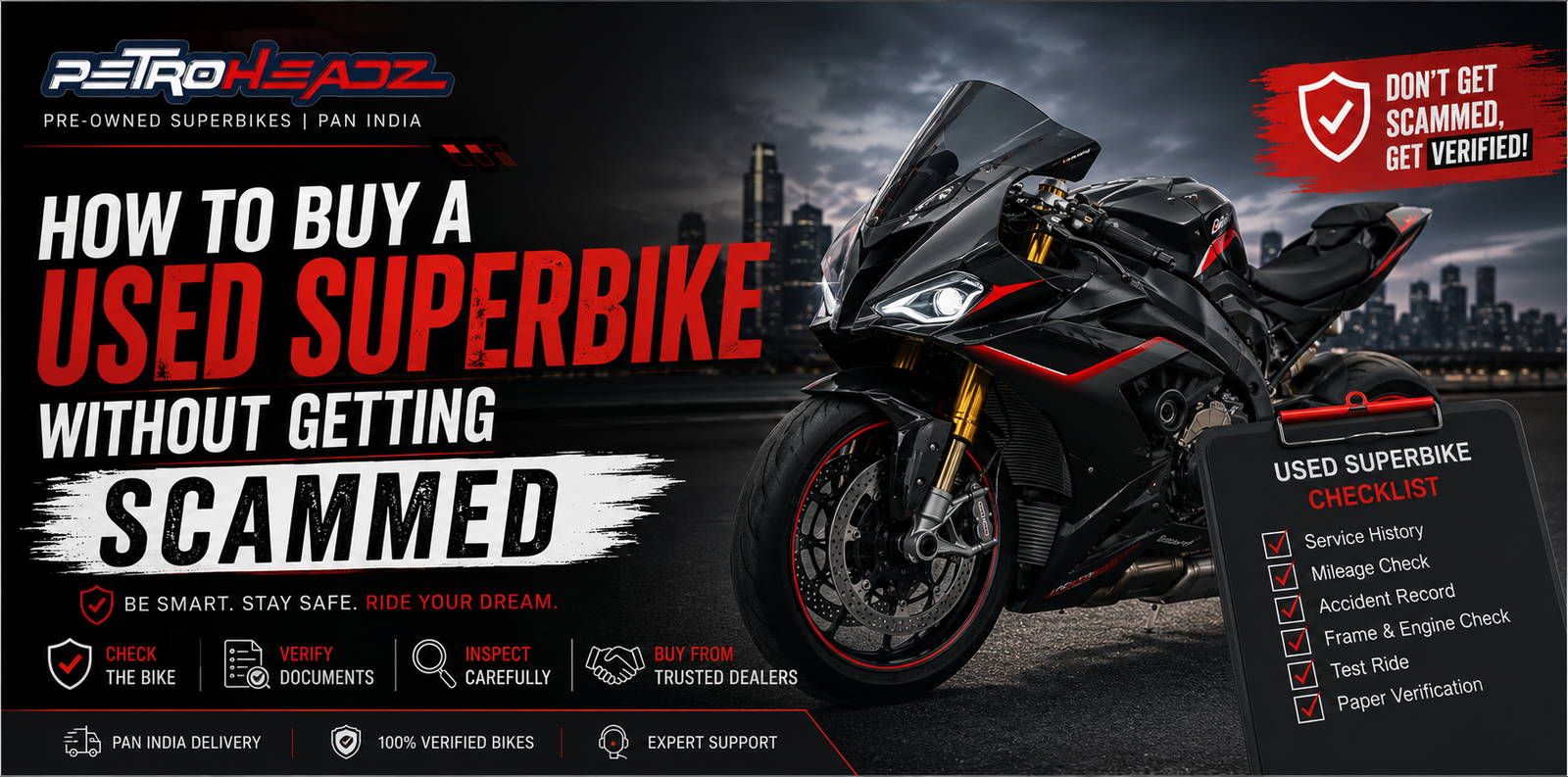
If you’re planning to buy a used superbike, the biggest risk isn’t a bad paint job or worn tyres — it’s paperwork trouble and sellers who aren’t upfront about a bike’s history. A used motorcycle inspection and a few document checks can save you from a purchase you’ll regret for years.
This guide walks through the practical checks a buyer should do before paying anything, so you can tell a genuine pre-owned superbike from a problem waiting to happen.
Why Buyers Get Scammed on Used Superbikes
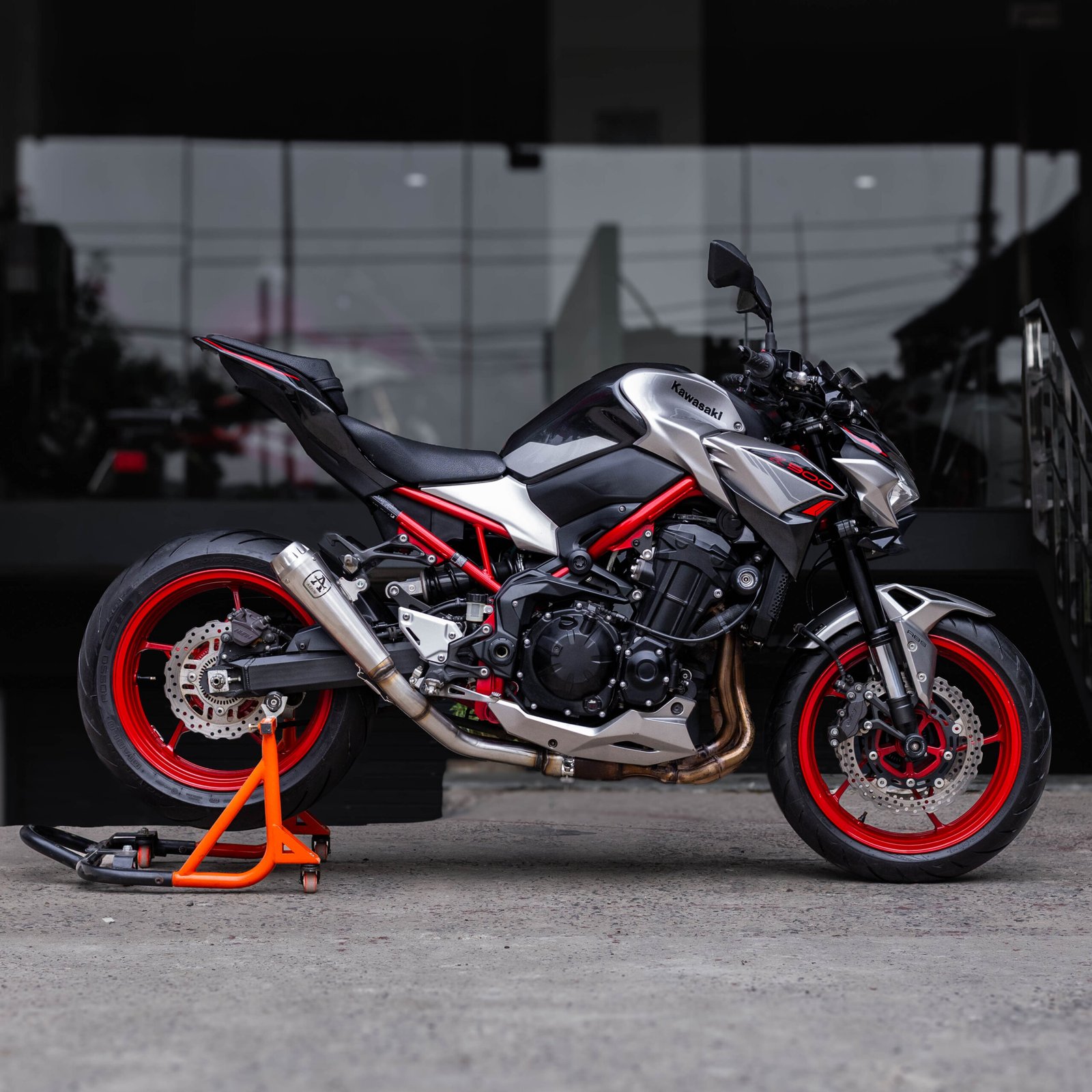
Most superbike scams aren’t dramatic. They’re small gaps buyers overlook because they’re excited about the bike itself. A seller might not mention a flood-damage repair, an accident that bent the frame, or a loan that’s still active against the vehicle.
One common mistake buyers make is falling in love with the bike in photos and skipping the boring parts — RC verification, insurance status, chassis number matching. That’s exactly where scams hide.
Start With the Documents, Not the Bike
Before you even ask for a test ride, check the paperwork.
- Registration Certificate (RC): Confirm the owner’s name matches the seller. Check the RC status isn’t marked “stolen” or “hypothecated” without a clear loan closure.
- Insurance: Verify it’s active and check whether it’s comprehensive or third-party only.
- Pollution certificate (PUC): Should be current, not years expired.
- Chassis and engine number: Match these physically on the bike against the RC. A mismatch is a serious red flag.
- NOC, if interstate: If you’re buying a bike registered outside your state, ask whether a No Objection Certificate has been arranged for registration transfer.
If a seller is reluctant to share these details before a visit, that’s worth noting. Genuine sellers usually don’t mind basic document questions over a call.
Physical Inspection: What to Actually Check
A used motorcycle inspection doesn’t need to be a full mechanical teardown, but a few checks go a long way.
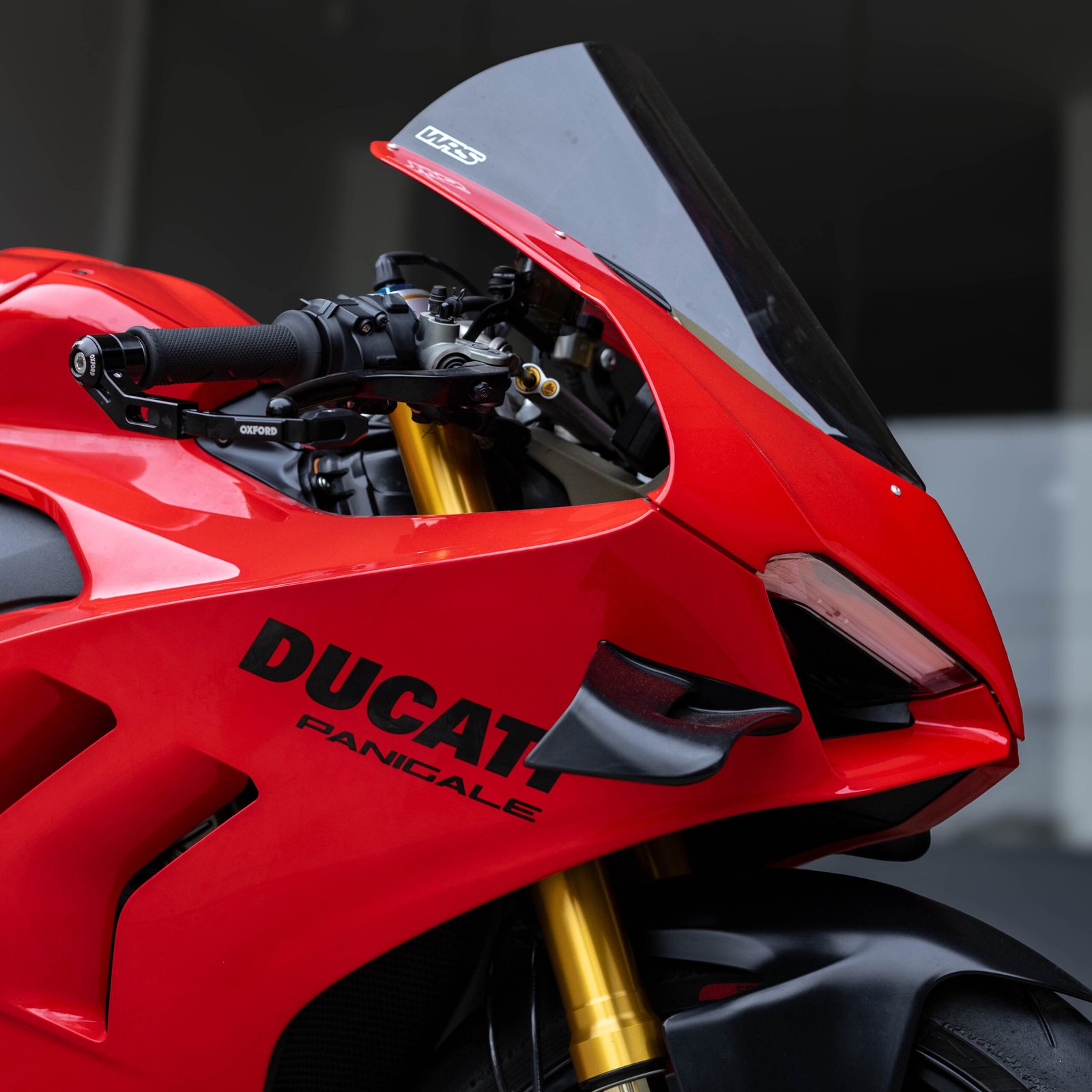
Frame and fairings. Look for uneven panel gaps, mismatched paint, or fresh welding marks near the frame. These often point to accident repair that wasn’t disclosed.
Engine. Start the bike cold if possible. Listen for unusual knocking sounds, check for oil leaks around gaskets, and look at exhaust smoke colour on startup.
Tyres and brakes. Tyre wear tells you about riding style and alignment. Check brake disc thickness and pad wear, since replacements are a real cost buyers often underestimate.
Odometer reading. Compare the reading against service records. A bike showing very low kilometres with worn pedals, seat and grips may have a tampered odometer.
Service history. Ask for service book stamps or digital service records. A superbike with no service history at all, especially one that’s a few years old, needs closer questioning.
A bike can look perfect in photos and still need a closer inspection once you’re standing next to it. Photos hide scratches, paint touch-ups and small dents that become obvious in daylight.
Test Ride Before You Commit
Take the bike for a proper test ride, not just a slow lap around the block. Check how it behaves under acceleration, how the clutch feels, whether gear shifts are smooth, and whether the bike pulls to one side under braking. In Gurgaon and across Delhi NCR, a short highway stretch is usually enough to catch vibration issues or engine hesitation that won’t show up at low speed.
Ownership History and Number of Owners
Ask how many owners the bike has had and why the current owner is selling. A first- or second-owner bike with a documented reason for sale — upgrade, relocation, financial need — is generally easier to verify than a bike that’s changed hands repeatedly in a short period.
Before You Pay a Token Amount
Before you pay a token amount, get the basics in writing: agreed price, condition as inspected, and a timeline for RC transfer. Avoid full cash payments without a receipt, and never transfer the full amount before verifying the RC and chassis number match.
If a deal feels rushed, or a seller pushes you to pay immediately without letting you inspect properly, treat that as a warning sign rather than urgency to act on.
Buying From a Dealer vs a Private Seller
| Factor | Private Seller | Organised Dealer |
|---|---|---|
| Document verification | Buyer’s responsibility | Usually pre-checked |
| Inspection support | Rarely offered | Often available |
| Price negotiation room | Higher | Moderate |
| After-sale support | None | May be available |
| Paperwork and transfer help | Buyer manages it | Often assisted |
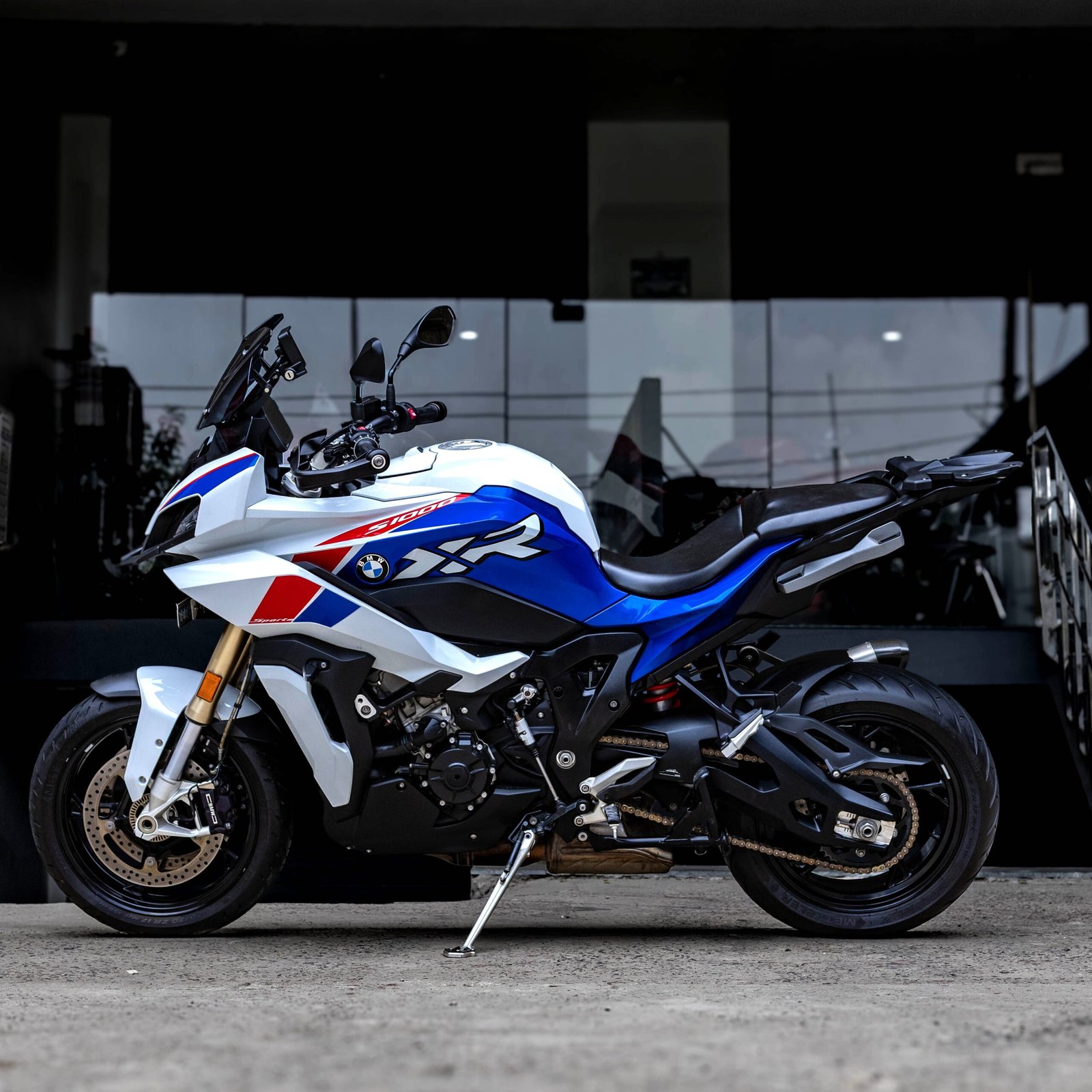
Private sellers can offer better pricing, but the buyer carries the full verification load. A dealer with a physical presence in Gurgaon or Delhi NCR generally checks documents and mechanical condition before listing a bike, which reduces the legwork on your end.
Quick Pre-Purchase Checklist
- RC, insurance and PUC verified and current
- Chassis and engine numbers match the RC
- No pending hypothecation or loan against the bike
- Physical inspection done for frame, engine, tyres and brakes
- Service history checked against odometer reading
- Test ride completed on a proper stretch of road
- Payment terms and RC transfer timeline agreed in writing
Frequently Asked Questions
Is buying a pre-owned superbike worth it?
Yes, if you verify documents and condition properly. A well-maintained pre-owned superbike from a reputable seller can offer real savings over a new bike, provided ownership history and mechanical condition check out.
What should I check before buying a used superbike?
Check RC and insurance validity, matching chassis and engine numbers, service history, tyre and brake condition, and take a proper test ride before agreeing on price.
How do I verify a used superbike’s documents?
Match the RC details with the seller’s ID, confirm insurance status, and check for any hypothecation entry. If the bike is from another state, confirm NOC arrangements for transfer.
How does ownership transfer work?
The RC needs to be transferred to the buyer’s name through the regional transport office, along with updated insurance. Dealers in Gurgaon and Delhi NCR often assist with this process.
Should I buy a superbike from a dealer or private seller?
A dealer generally offers pre-checked documentation and inspection support, while a private seller may offer a lower price but requires the buyer to handle verification independently.
Conclusion
Buying a used superbike doesn’t have to be risky if you slow down and check the right things in the right order — documents first, then a proper physical inspection, then a real test ride. If you’re shortlisting a pre-owned superbike in Gurgaon or anywhere in Delhi NCR, take the time to verify before you commit. It’s a lot easier to walk away from a deal than to fix one after you’ve paid.
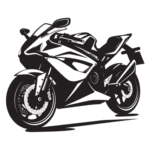 Sports Bike
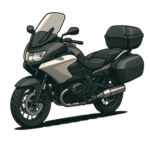 Touring
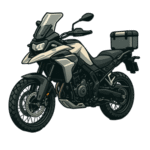 Adventure
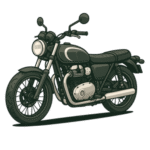 Urban/Classic Bikes
 Roadster
 Cruiser